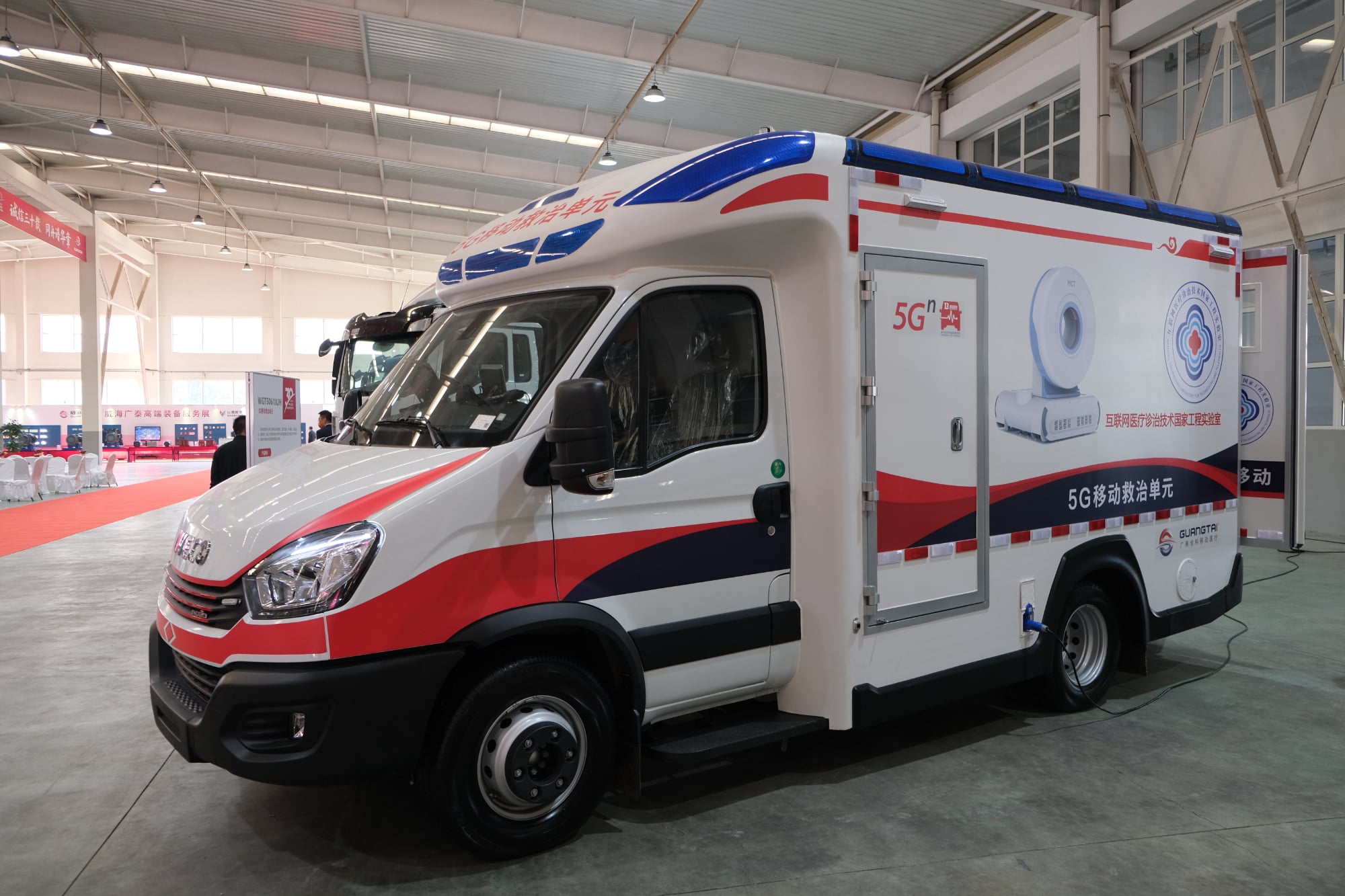
Є машина, яка допомагає людям, якщо вони мають проблеми або потребують допомоги, щоб дістатися кудись за рекордний термін. Машина - це карета скорого допомога. Карети скорого допомога - найважливіша та необхідна частина, оскільки вона перевозить людей, які потрапили у аварію або хворих до лікарні. Сьогодні ми навчимося про те, що роблять карети скорого допомога і як вони врятують життя.
Якщо ви або хтось інший знаходиться у небезпечі та потребує швидкої допомоги, 911 викликаєulance. Швидкохідна машина поспішає до місця, де цей чоловік поранений, з максимальною швидкістю. Вона має дуже голосну сирену, яка розголосовується у захопливий шаблон для очищення дороги перед усім транспортом. Це критично важливо, оскільки коли люди знаходяться у складній ситуації, кожна секунда рахується. Шофёр повинен обходитися з рухом дуже обережно та професійно, щоб безпечно подолати найкоротший час.
Коли лікарняна машина прибуває на місце медичної емергенції, медики, які знаходяться усередині, переходят до дій. Типовий склад екіпажу лікарняної машини становлять 2 або 3 осіб – водій та двоє параметрів. Лікарняна машина – це транспортний засіб, що забезпечує перевезення у лікарні, тоді як параметри – це люди, спеціально навчені допомагати хворим чи пораненим людям. Це включає застосування ліків, виконання медичних процедур та забезпечення безпеки та стабільності пацієнта до моменту, поки вони не потраплять до відділення невідкладної допомоги. Таке навчання дозволяє собакам залишатися спокійними та контролювати ситуацію під час кризової ситуації.
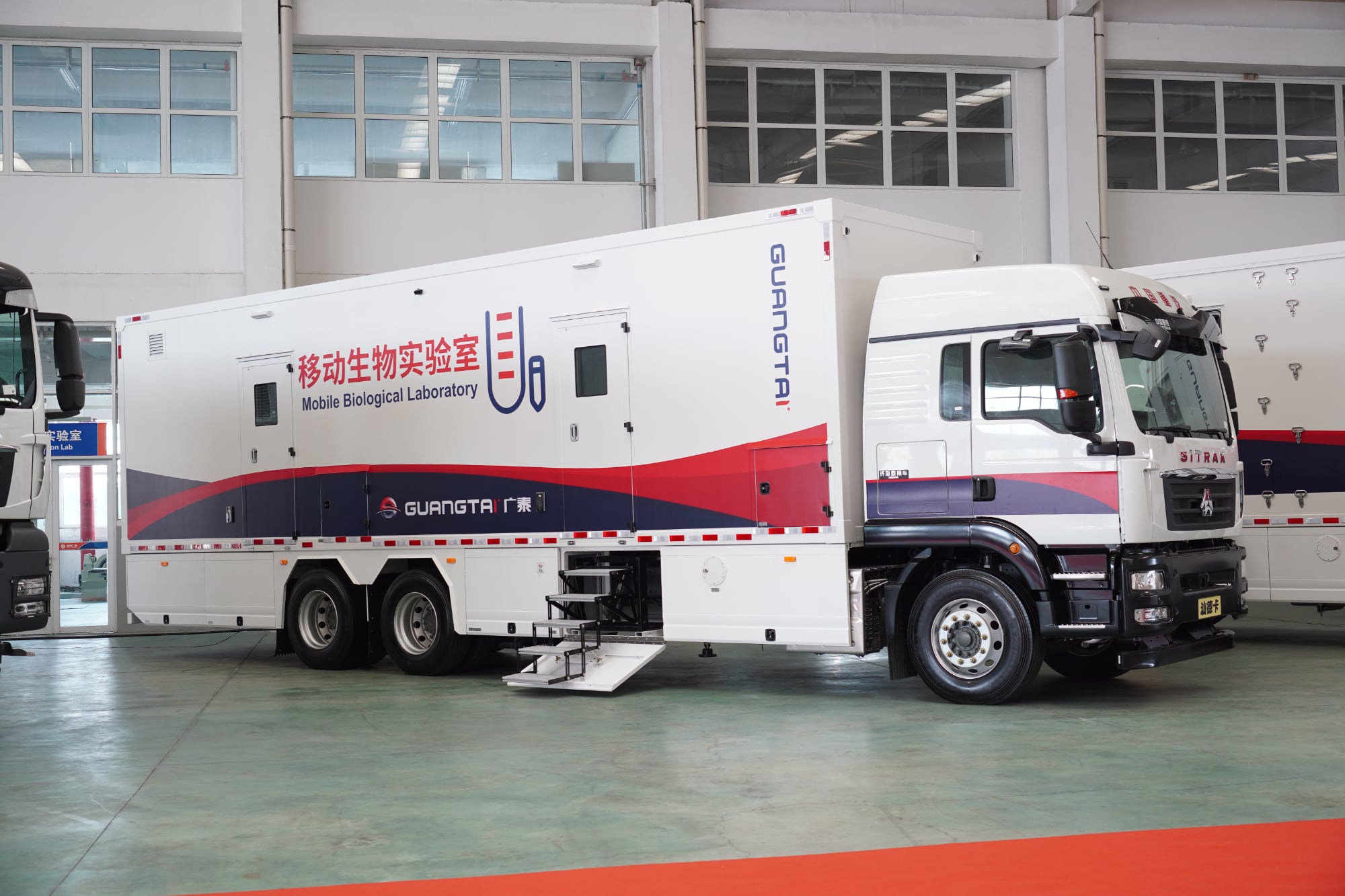
Недавно було показано, що потужність та ефективність важливі при роботі з серйозними медичними станами, такими як інфаркт або инсульт, де час має найбільше значення. Амбуланс зазвичай перший прибуває на місце події. Команда всередині буде доглядати за людиною та продовжувати допомагати певний час, перш ніж його відвезуть до невідкладної клініки. Вони працюють швидко, і гоняться з годинником, оскільки кожна хвилина приближає їх до того, що хтось може померти.
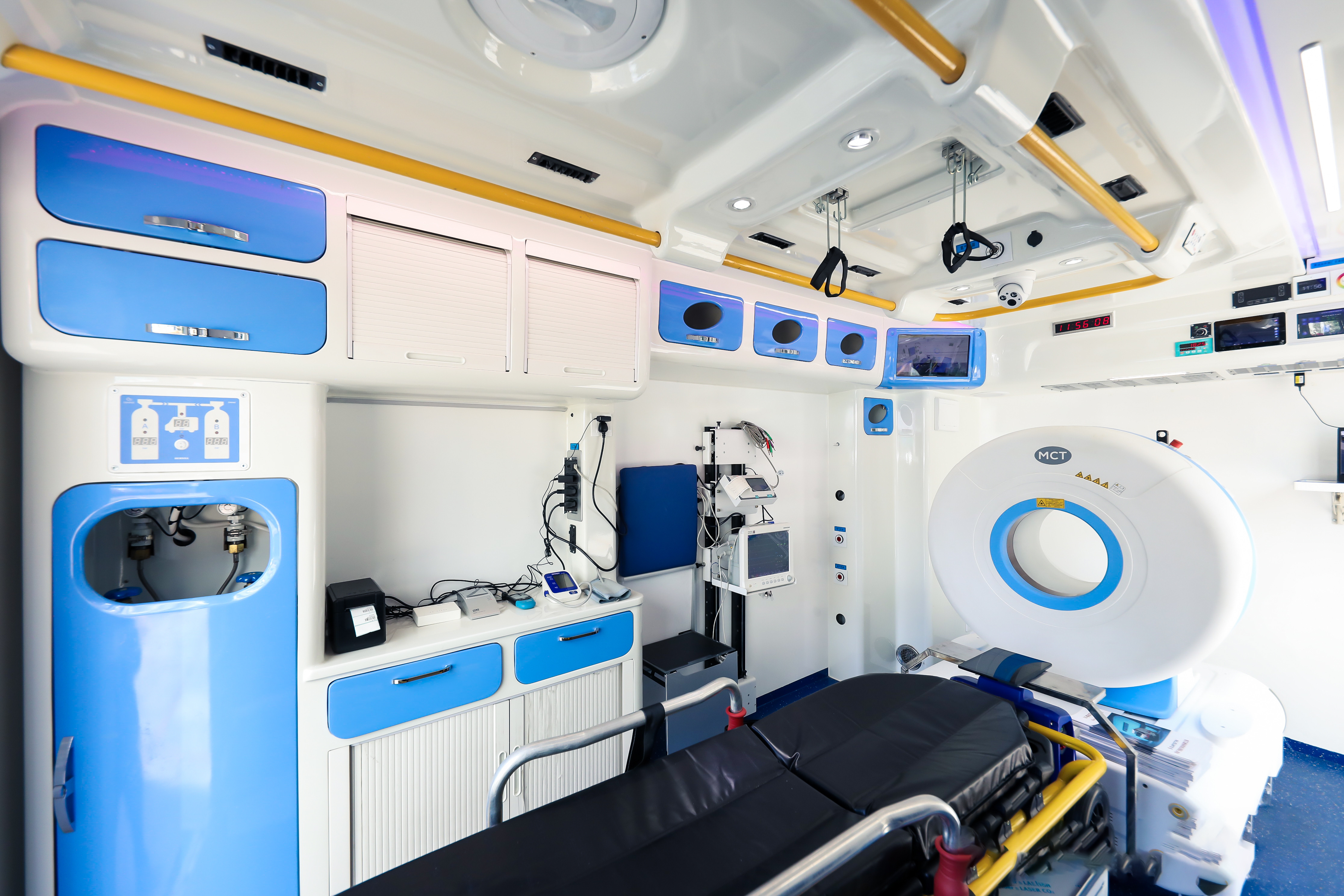
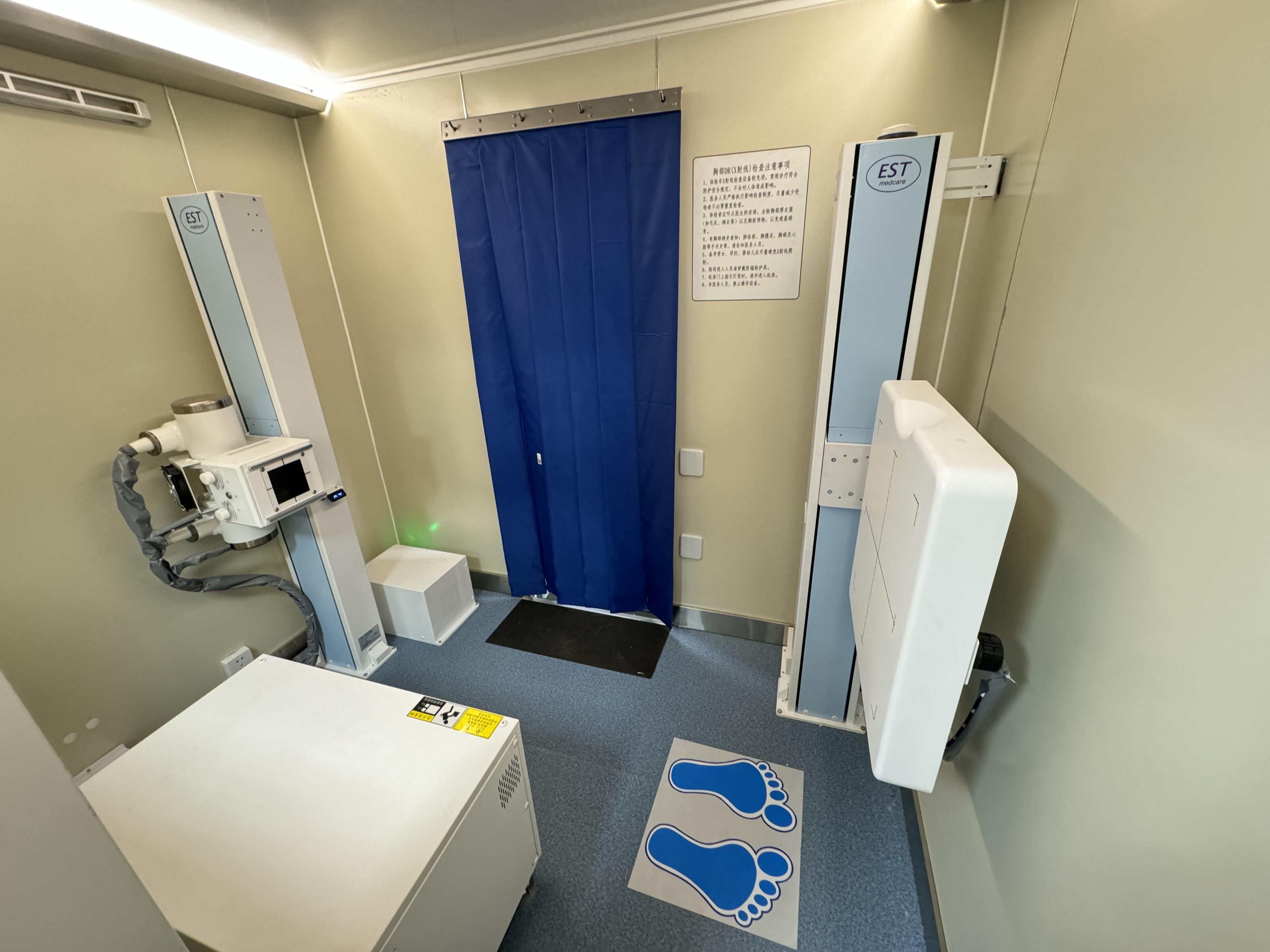
Але амбуланс - це схожий на маленьку лікарню на колесах. Будь-яка невідкладна ситуація може бути оброблена з усіма необхідними інструментами для особи. Це може включати від койки, на якій лежить пацієнт, до апаратуventilatorів, які допомагають пацієнту дихати, коли вони не можуть. У ньому також є ліки, бандажі та інші засоби, що зберігають життя. Для пацієнтів, яким потрібна безстрочка медична допомога, це означає, що медики можуть надавати швидку допомогу прямо на місці події.
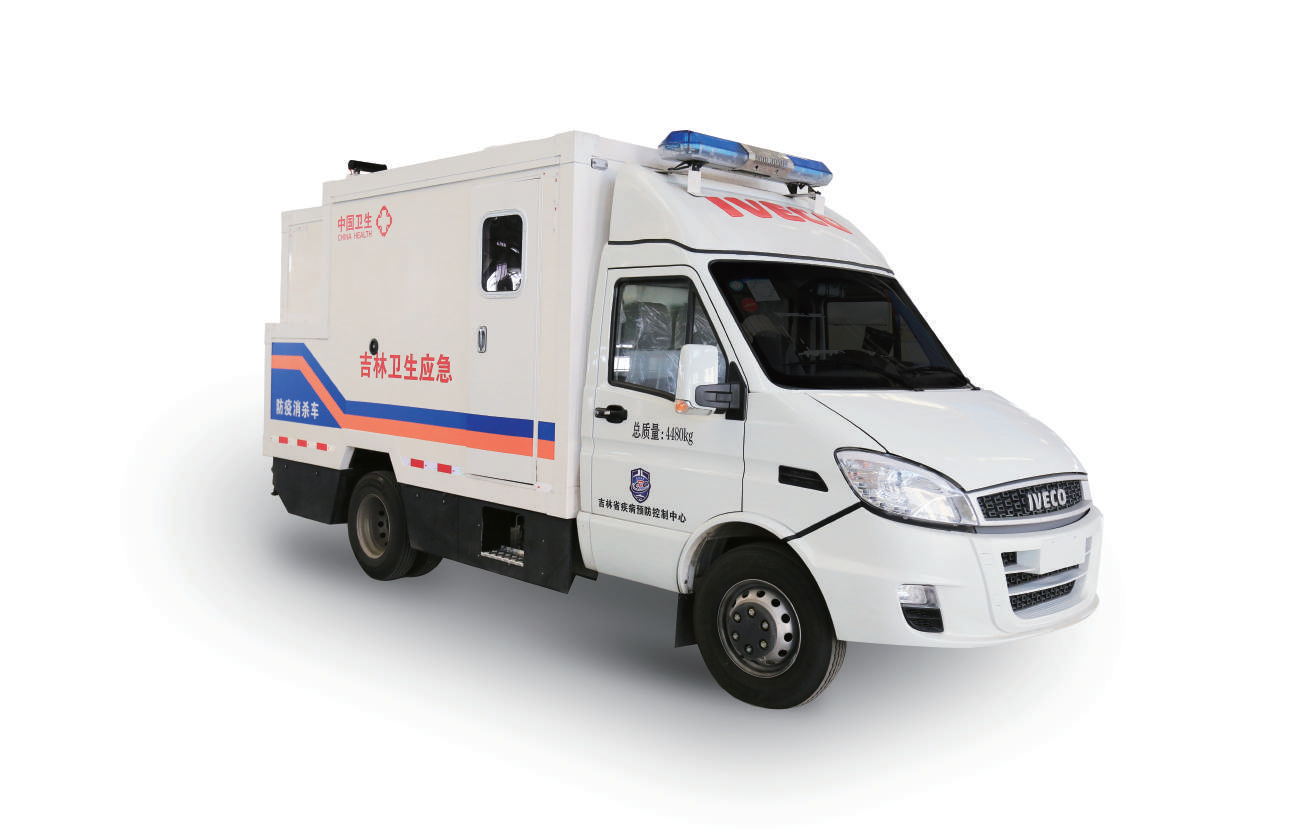
Кожен день тижня карети скорого допомога врятують безліч життів. Вони ДОБРІ і завжди протягають руку допомоги кожному, коли потрібна допомога (незалежно від ситуації). Якщо ви чуєте сирени від карети скорого, дайте їм пріоритет. Вони займаються наданням важливої підтримки і повинні бути розгорнуті якомога швидше для врятування людини у кризі.
Компанія Weihai Guangtai перебуває на передовій галузі технологічного розвитку мобільних медичних пристроїв. Наша автомобільна екстрена медична служба для досліджень і розробок забезпечує оснащення обладнання найновішими технологіями, що дозволяє досягти неперевершеної ефективності та продуктивності. Ми прагнемо залишатися в курсі ринкових тенденцій і надавати рішення, які відповідають змінним вимогам наших клієнтів. Наша приверженість технологічним інноваціям дозволяє нам пропонувати апарати, які не лише високо ефективні, а й екологічно безпечні, сприяючи сталому розвитку у цій сфері.
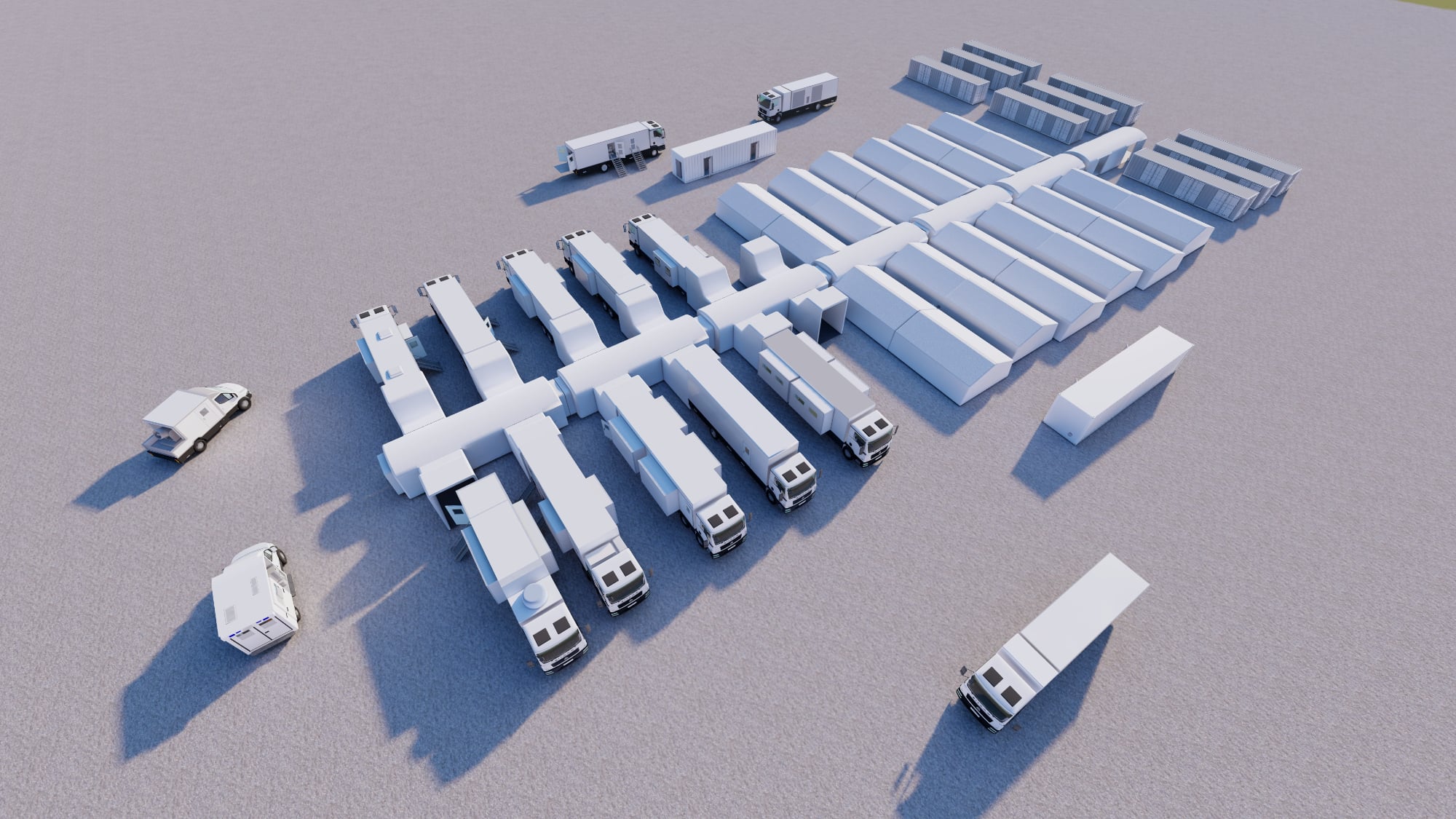
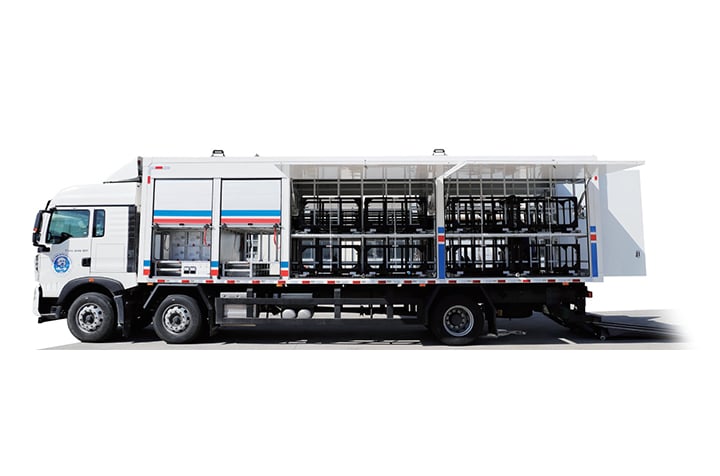
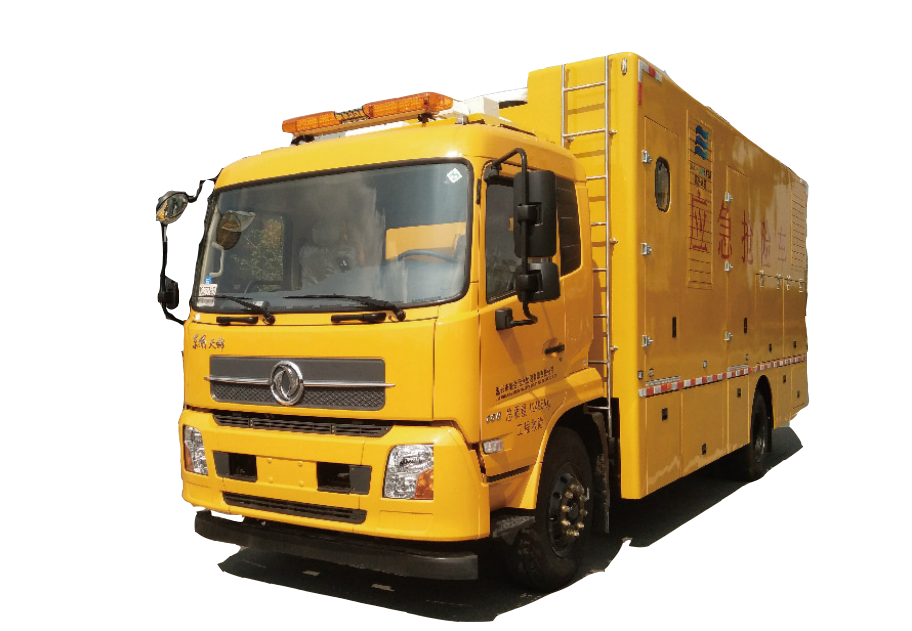
Медичні автомобілі — це зручний спосіб надання екстреної медичної допомоги та невідкладної допомоги на місці в віддалених районах. Вони є життєво важливими інструментами, здатними реагувати на кризи у сфері охорони здоров’я населення та проводити екстрену медичну допомогу з автомобіля. Такі автомобілі можуть надавати медичну допомогу під час масових заходів.
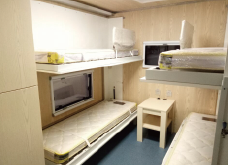
Компанія Weihai Guangtai Medical Co., Ltd. є дочірньою компанією, якою володіє материнська компанія на 100 %. Основними напрямками її діяльності є надання екстреної медичної допомоги, позалікарняне надання екстреної медичної допомоги та екстрені медичні автомобілі. Компанія розробила різноманітні продуктові лінійки, зокрема повний асортимент мобільних медичних пристроїв та обладнання для екстреної медичної допомоги, медичні інформаційні системи та обладнання для виробництва кисню. Також було створено багаторівневу систему обладнання, що включає окремі одиниці, індивідуальні комплектні набори та блок-комплекти.
екстрений медичний автомобіль, призначений для забезпечення високого рівня задоволеності наших клієнтів. Це не просто покупка. Ми надаємо комплексне післяпродажне обслуговування, у тому числі навчання та технічну підтримку. Наш відділ обслуговування клієнтів завжди готовий надати оперативну підтримку. Наші фахівці постійно доступні для допомоги з установки, технічного обслуговування та усунення несправностей.

 EN
EN