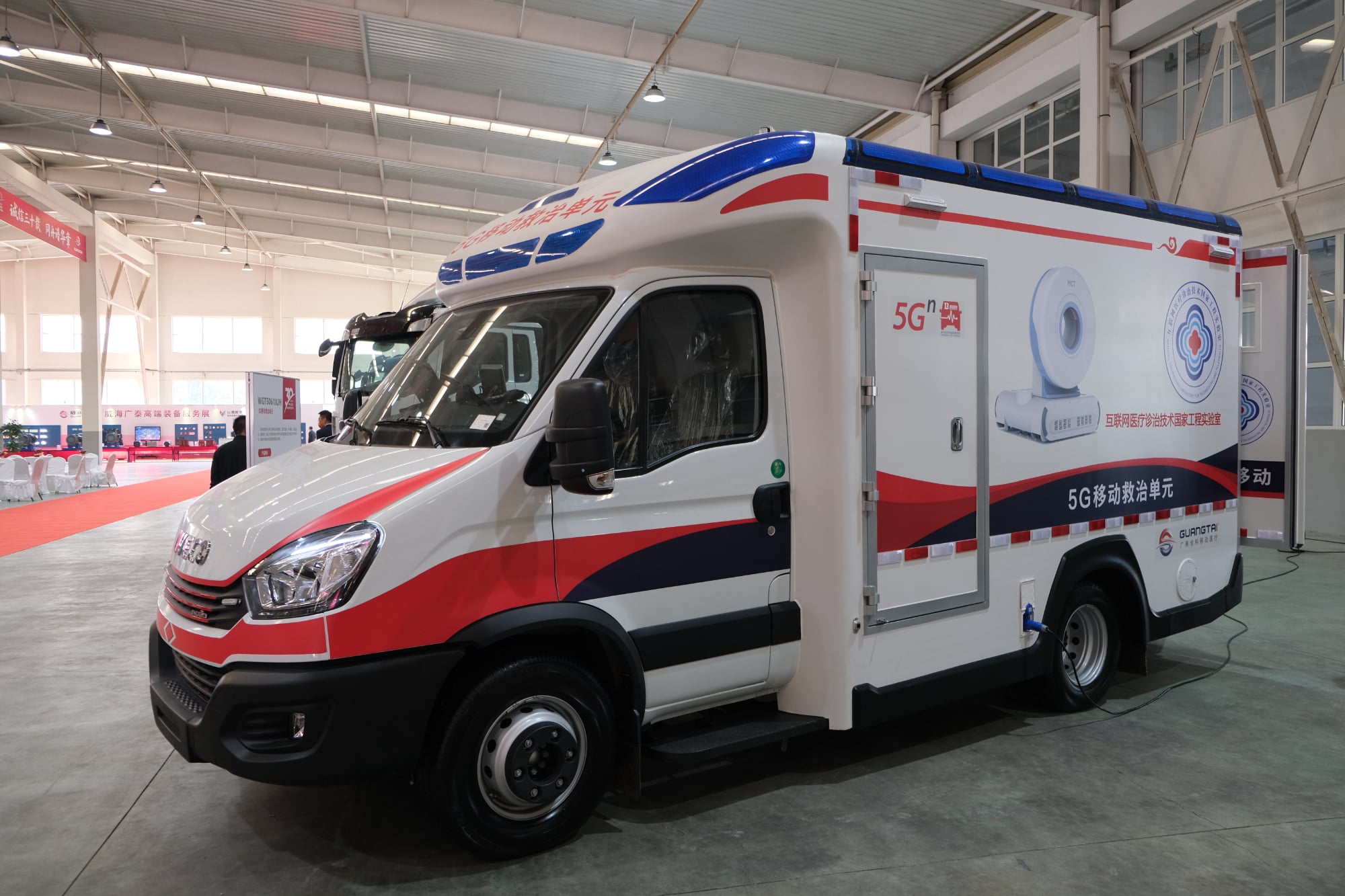
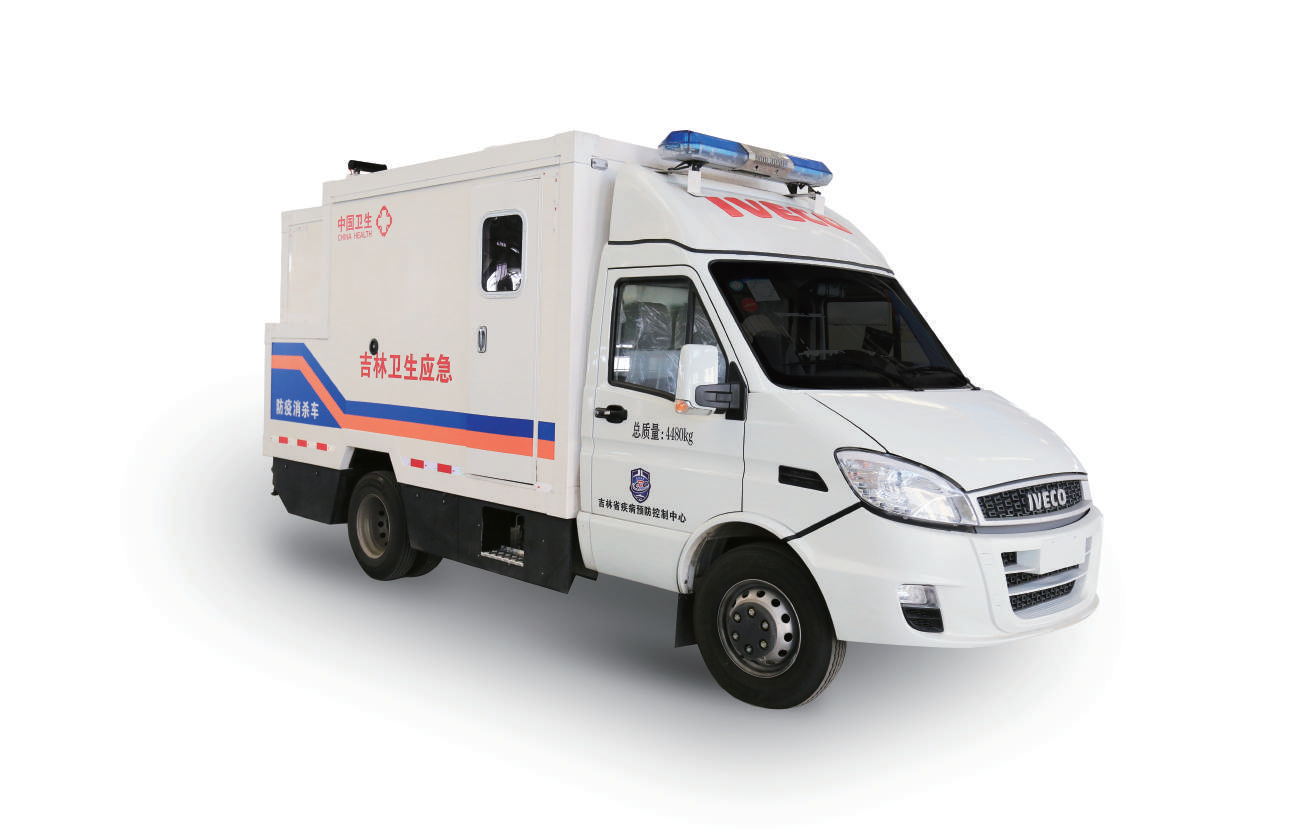
A , do they even exist? It is an ambulances specifically designed for the most up to date technology in abutting strokes even further before they become full fledged strokes. By definition: A stroke is a life-threatening condition involving the brain vascular system, and occurs when blood supply to part of the brain is interrupted or severely reduced. All this can do lots of harm to your brain and even drive you dead if not get treated in time.
You can even be treated for a stroke in the comfort of your own home with new technology! This is a pretty major change because it means that help may get there quicker when stroke symptoms start. Today, we will discuss about the mobility of this stroke care and how it has transformed ways that respond to a situation when dealing with strokes.
Anyone, any time A stroke can occur to anyone at any age and will could strike anytime anywhere. So medical teams must respond quickly when someone is having a stroke. However, what happens if someone has a heart attack out in the bush where there is no hospital or traffic makes it difficult for an ambulance to get to them quickly?
This is where mobile stroke care comes in to assist. A mobile stroke ambulance would allow medical teams to travel rapidly regardless of where the person is located. This means that strokes patients can be treated much more quickly which will significantly increase the chance of survival and better recovery.
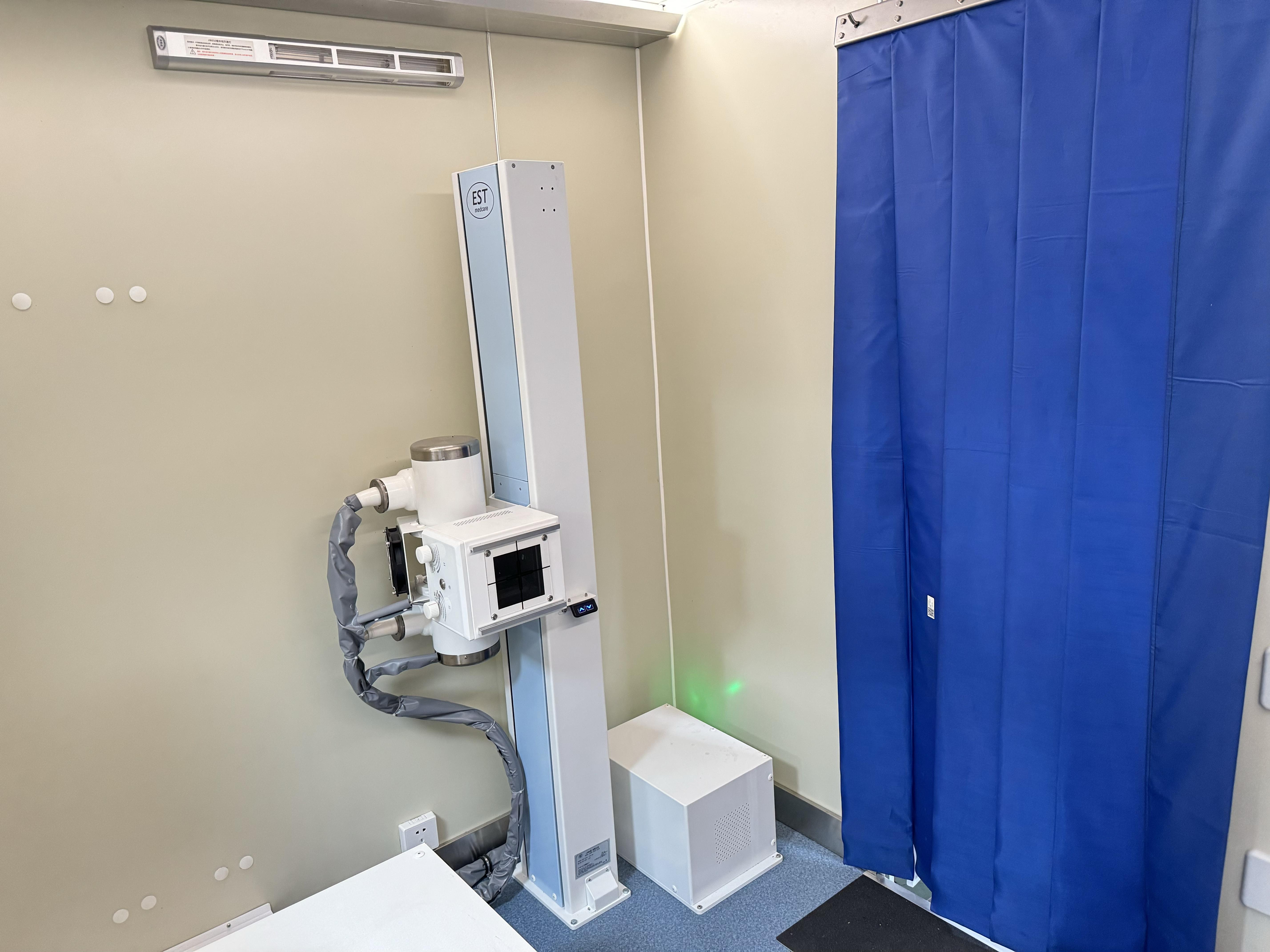
A Mobile Stroke Unit, for example, would be equipped with a special medicine called tPA. This medication can also help to dissolve blood clots where these are causing the stroke. tPA helps these patients recover better if it is given within the first few hours of stroke and long-term disability.

A mobile stroke ambulance, on the other hand, has a well-trained staff that will be composed of paramedics as first line and nurse with consultant. They are seasoned professionals trained to give life saving medications and render care immediately, without having the patient wait until they reach the hospital. A few minutes can be the difference in saving a life.

Not only does mobile stroke care provide faster treatment but it can also be less cost effective in both patient and healthcare provider pockets. That results in less use of the more expensive emergency room and longer hospital stays. It is good not only for the patients but also for strengthening whole healthcare system.
We're determined to provide our mobile stroke ambulance with a high level of satisfaction. This dedication extends far beyond the purchase. We provide support for our customers after the purchase, which includes product training and technical assistance. Our customer service department is and will be available to offer prompt support. Our expert staff is always on hand to help with installations, maintenance, and troubleshooting.
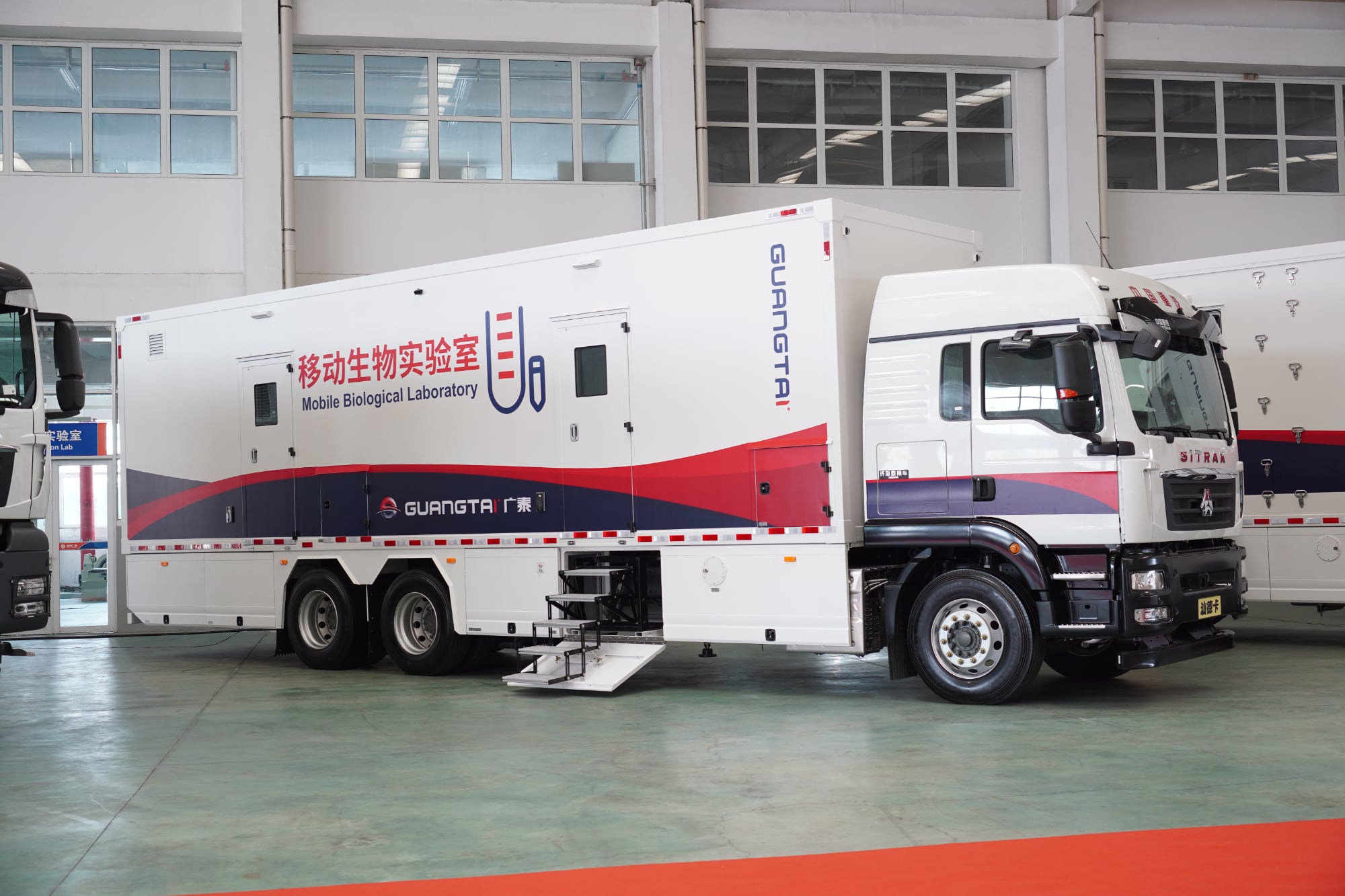
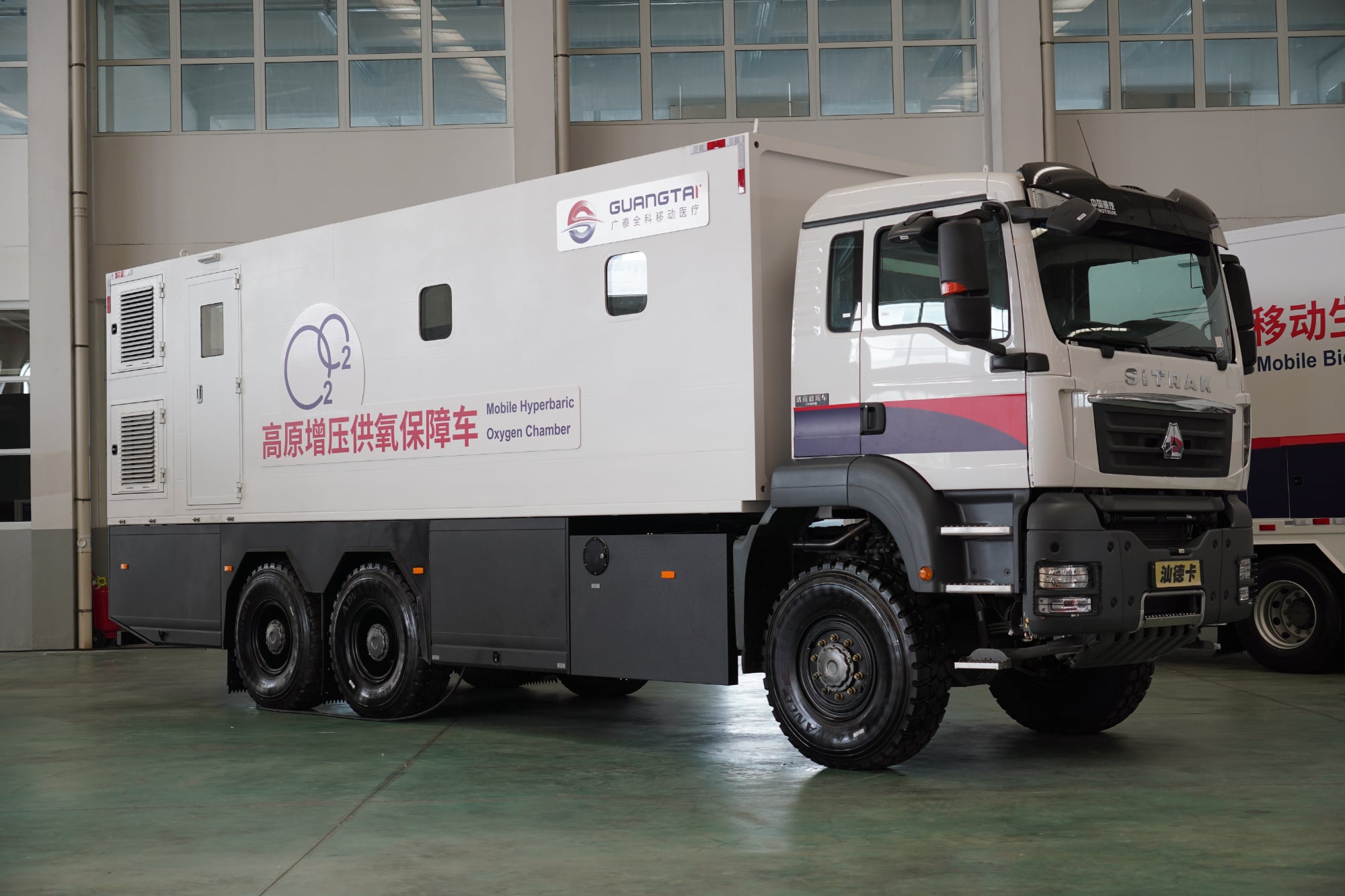
Medical vehicles offer convenient on-site emergency and medical services in remote areas. They are essential to respond to public health crises and conduct rapid medical rescue. They are able to mobile stroke ambulance medical assistance for large events.
Weihai Guangtai Medical Co., Ltd. is a 100%-owned subsidiary. It is principally involved in three areas of business which include emergency medical aid, pre-hospital emergency treatment, and mobile stroke ambulance. It has formulated various product lines which include a full range of mobile medical devices and emergency medical equipment medical information systems and oxygen production equipment. It has designed an equipment system that is multi-level which includes soldiers, singles and box groups.
Weihai Guangtai is at the leading edge of mobile stroke ambulance in mobile medical devices Our commitment to development and research guarantees that our equipment is equipped with the most recent advancements providing unbeatable efficiency and automation We aim to keep up with market trends and provide solutions that meet the constantly changing demands of our customers Our commitment to technological innovation makes it possible to provide equipment that is not only efficient but also ecologically healthy helping to promote sustainable growth within the field

 EN
EN