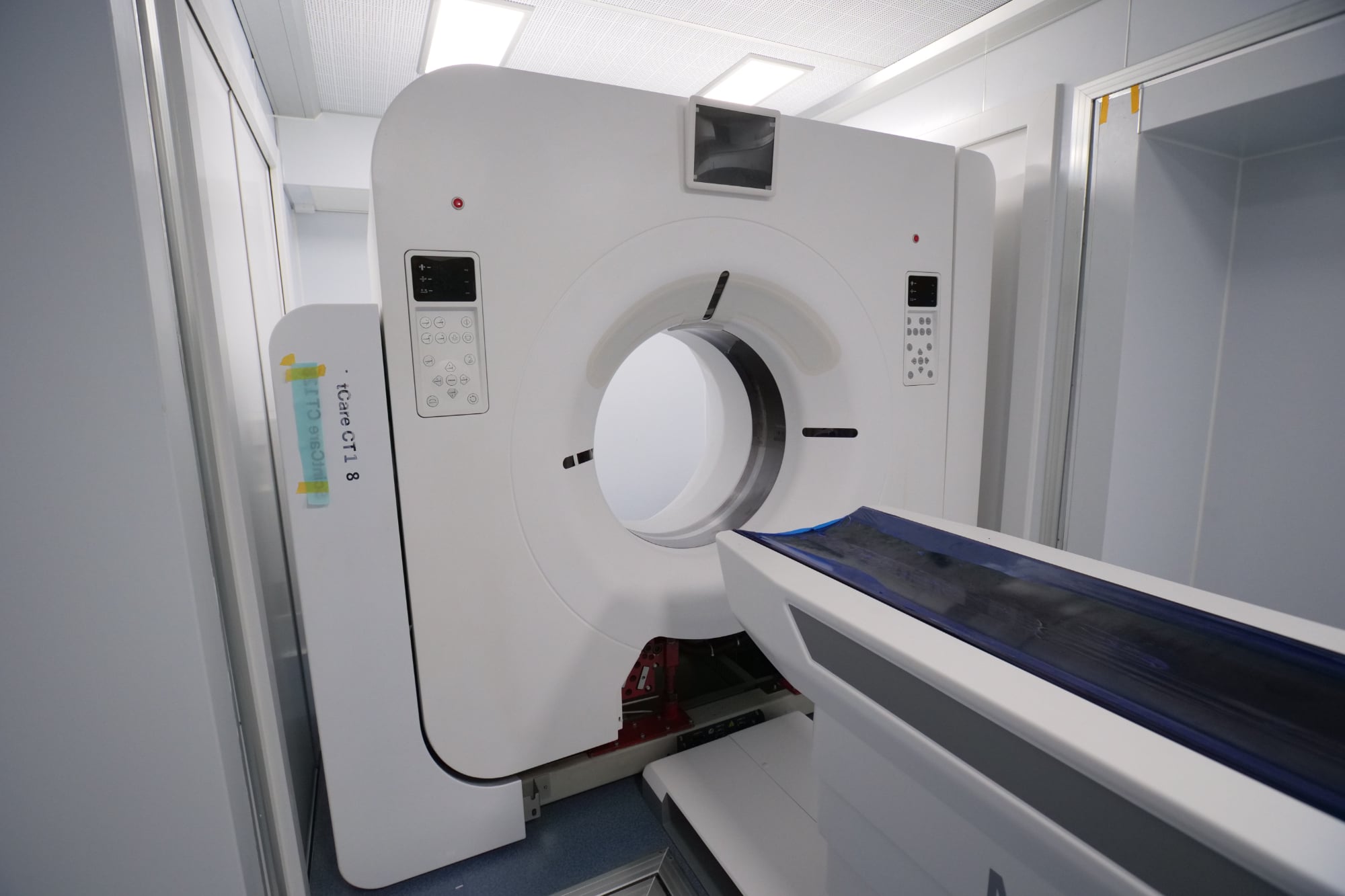
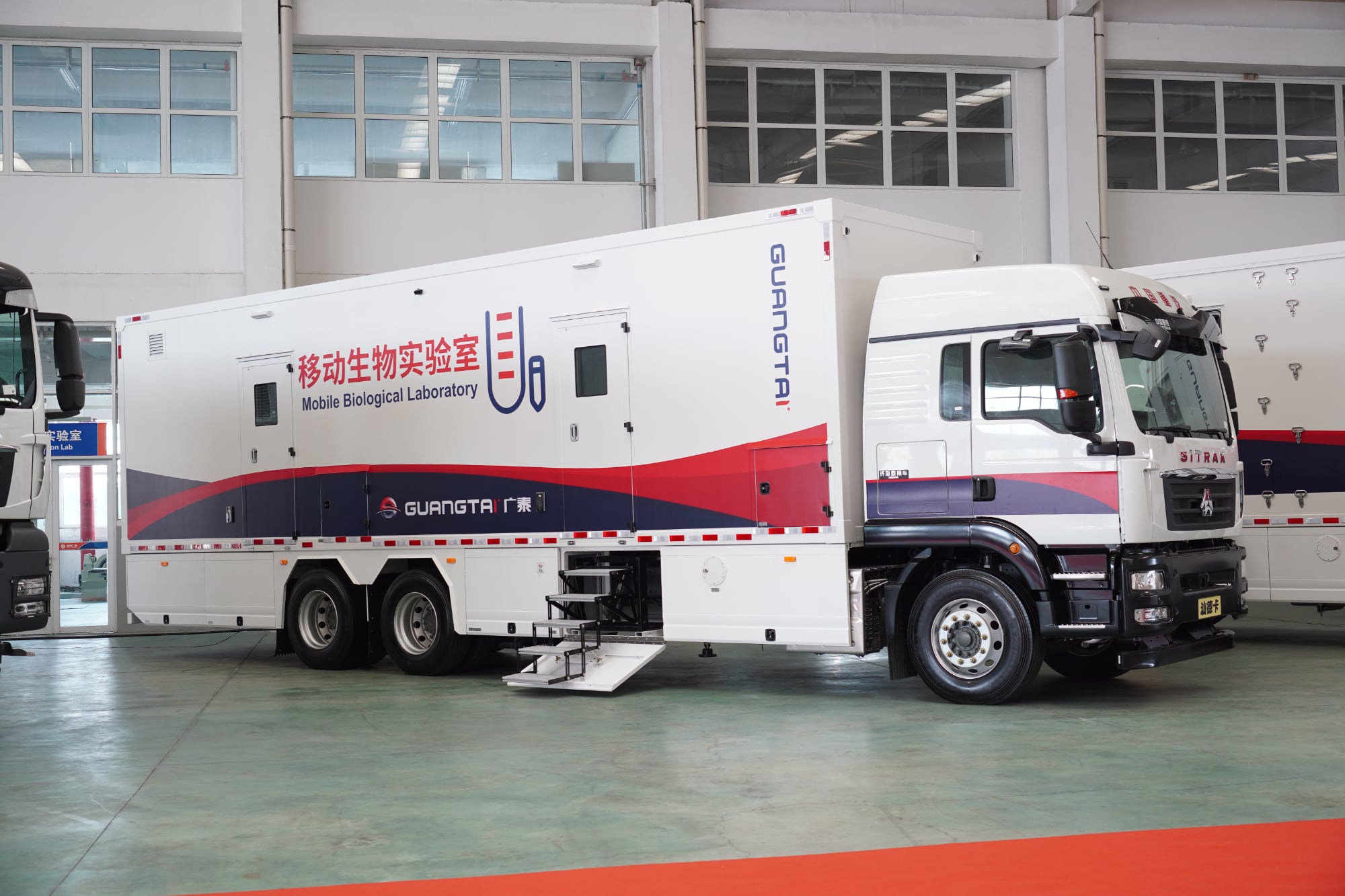
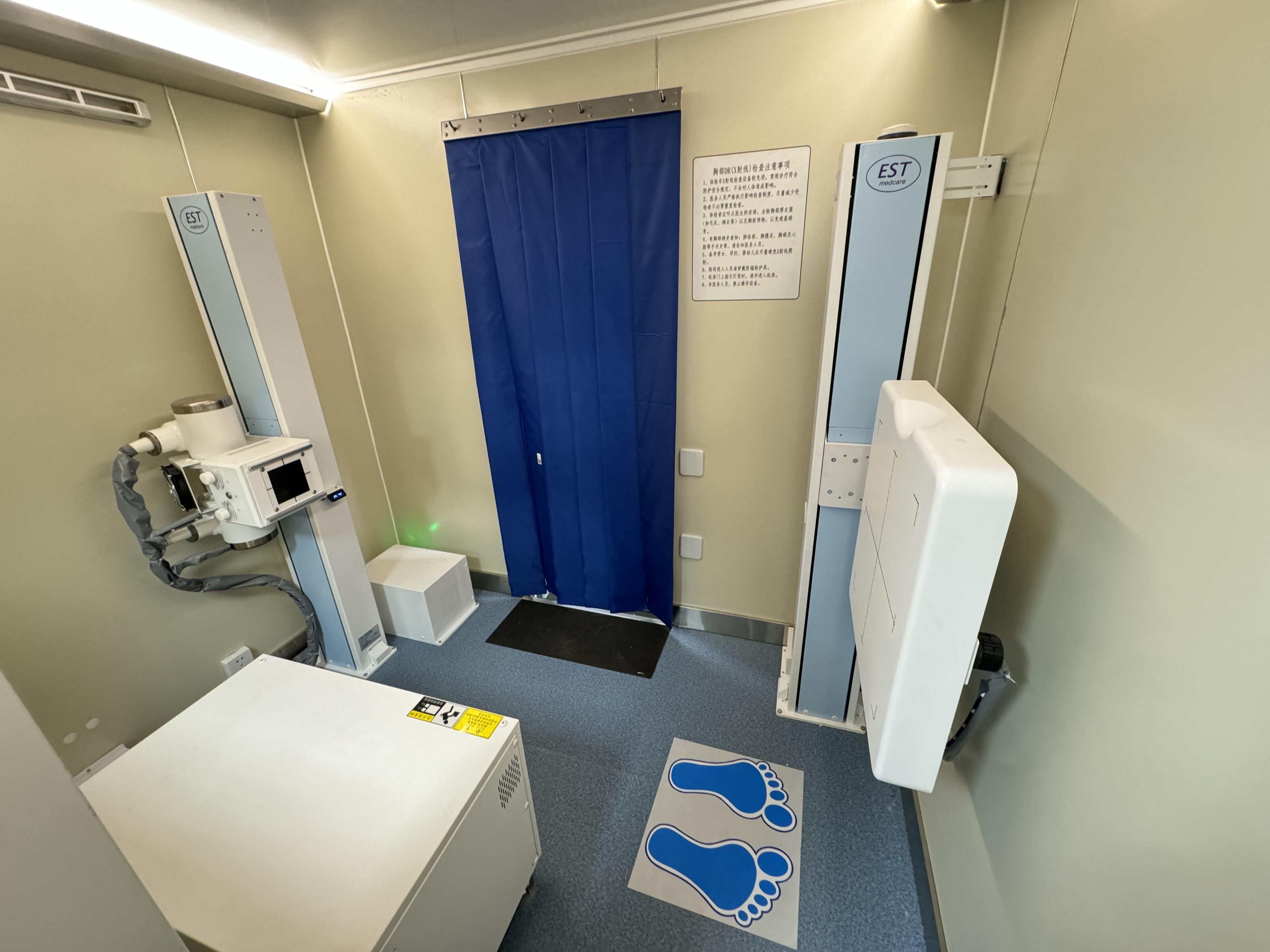
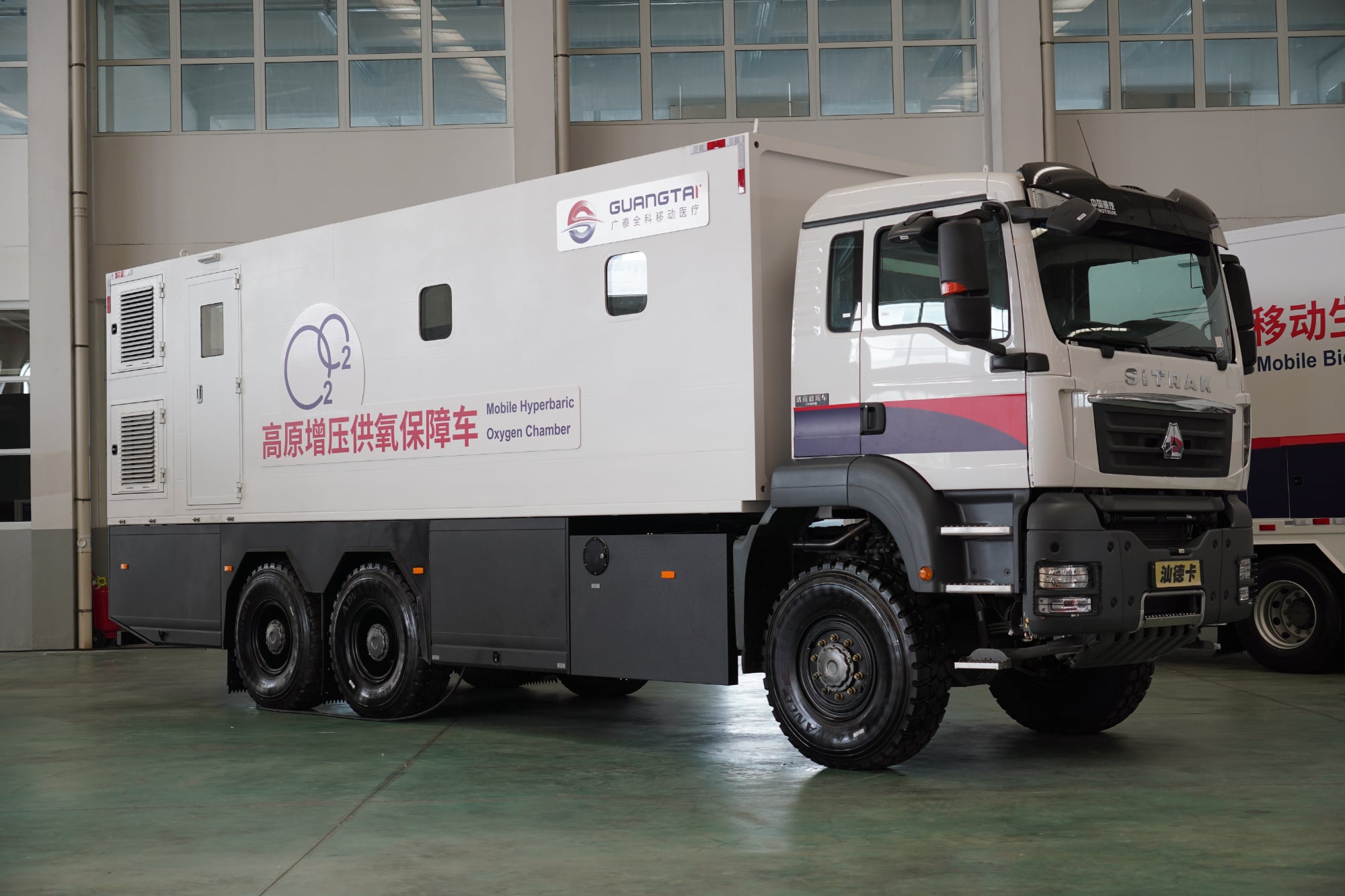
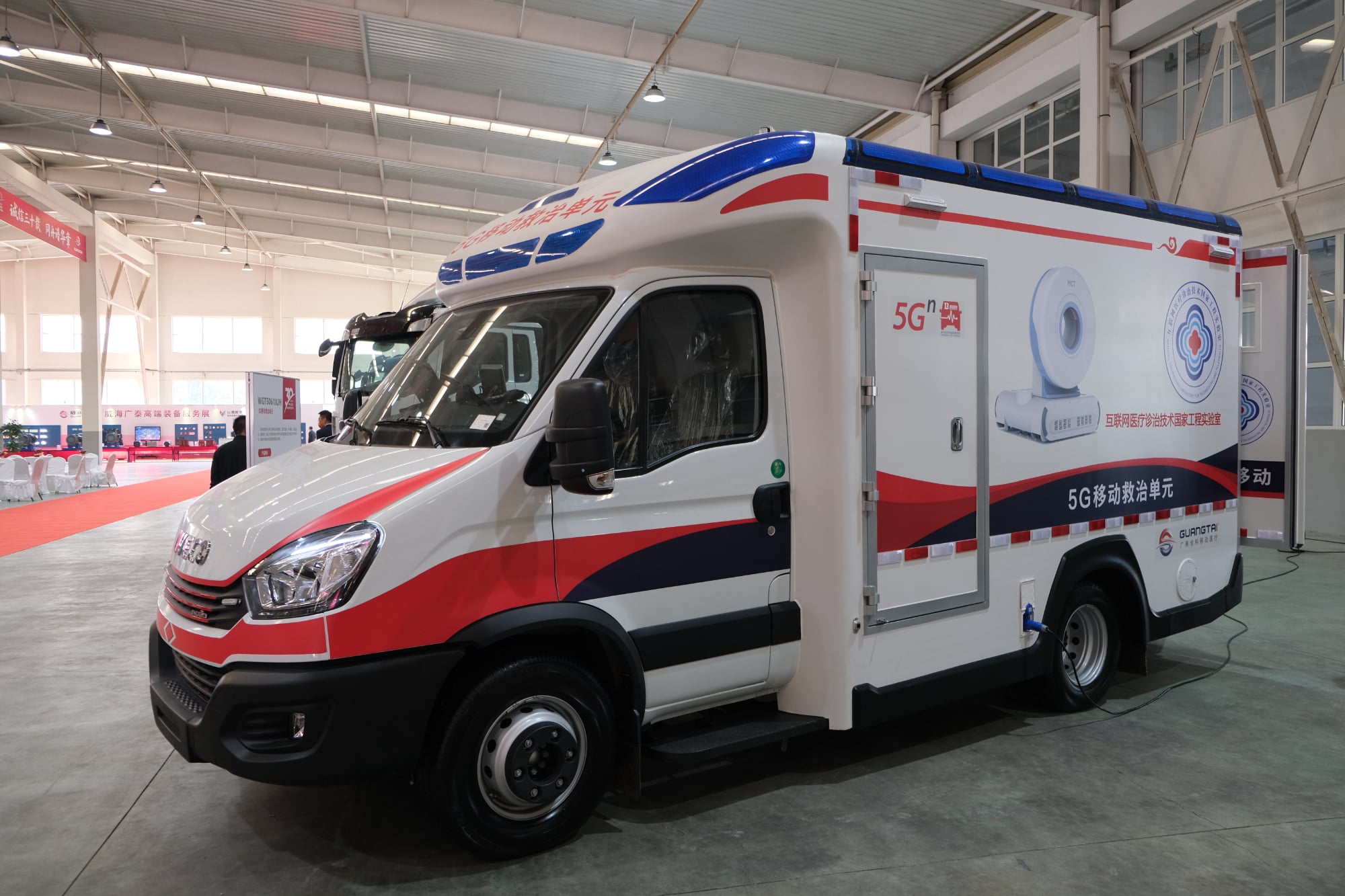
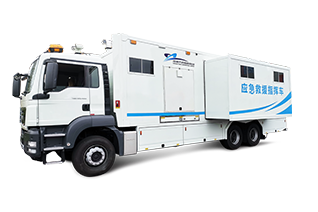
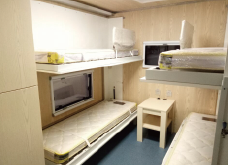
The mobile healthcare trailer is bringing the ability to receive medical help different. Special trailers can be transported to wherever they are needed, carrying everything physicians and nurses need to treat patients. They simplify and reduce the cost of providing healthcare to those who need it most, and may not be able to visit a GP easily. Mobile healthcare trailers are gaining in popularity because they actually work.
Mobile Health Care Units: partially designed for doctors and nurses coming to your home. As well as medical equipment and health monitoring to make it easier for healthcare professionals to reach your home without coronavirus. That way they also can administrate vaccines, do mini check-ups etc. Since these units are portable, it allows for those individuals who might not be able to get into a Dr.s office regularly. This is particularly crucial for the sick, elderly or those based in areas a long way from a hospital.
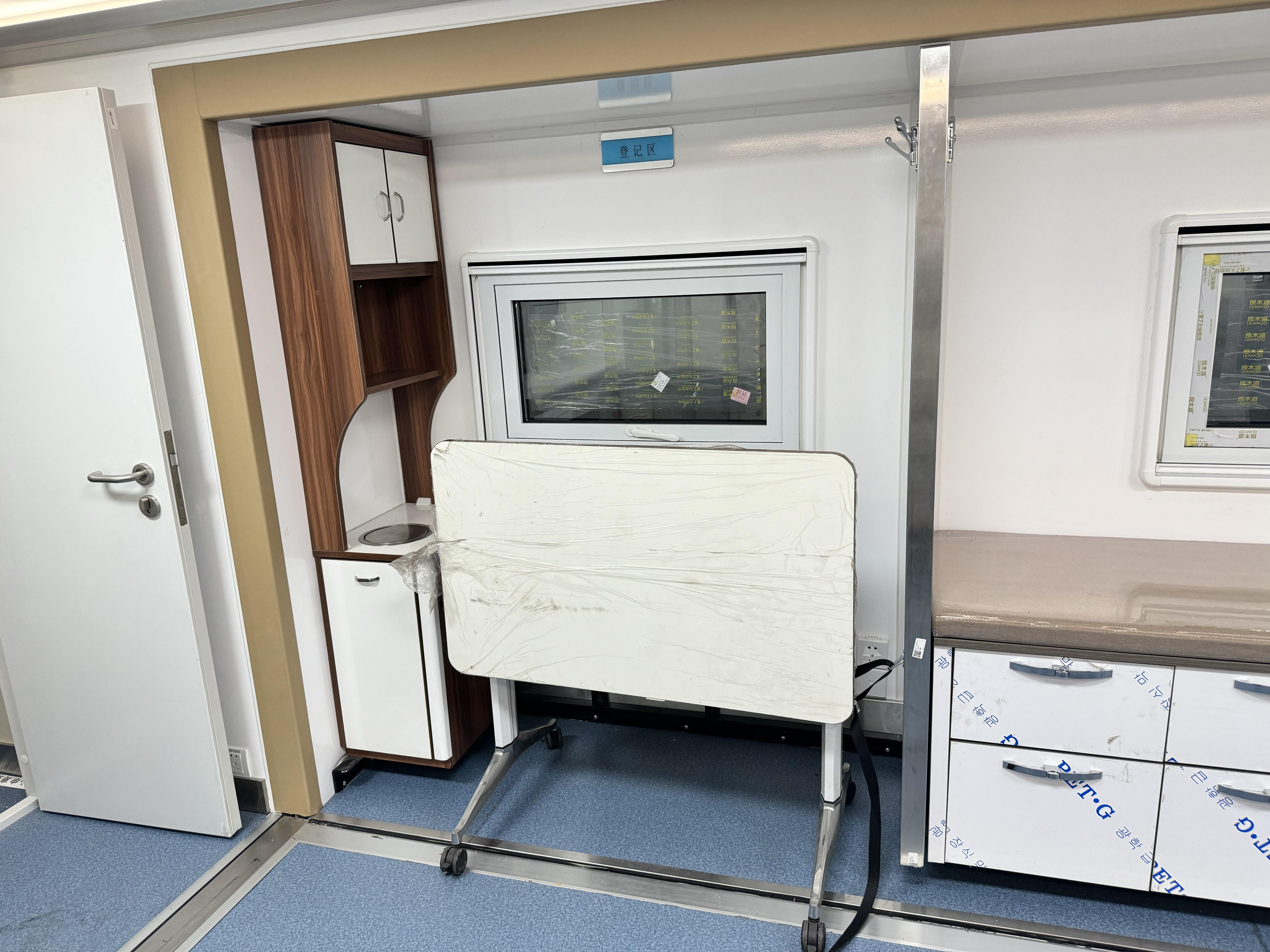
Mobile clinics are an alternative solution for affordable healthcare services. They are prefab units, in other words clinics on wheels. They can be transported and positioned wherever needed. They can be easily transported, providing care for people in remote or rural areas. This is great for areas with a high rate of people requiring healthcare but where visiting doctors or clinics are rather scarce. No matter where these portable clinics are situated, they provide the same care level like any other clinic does to make sure that everyone gets the assistance.
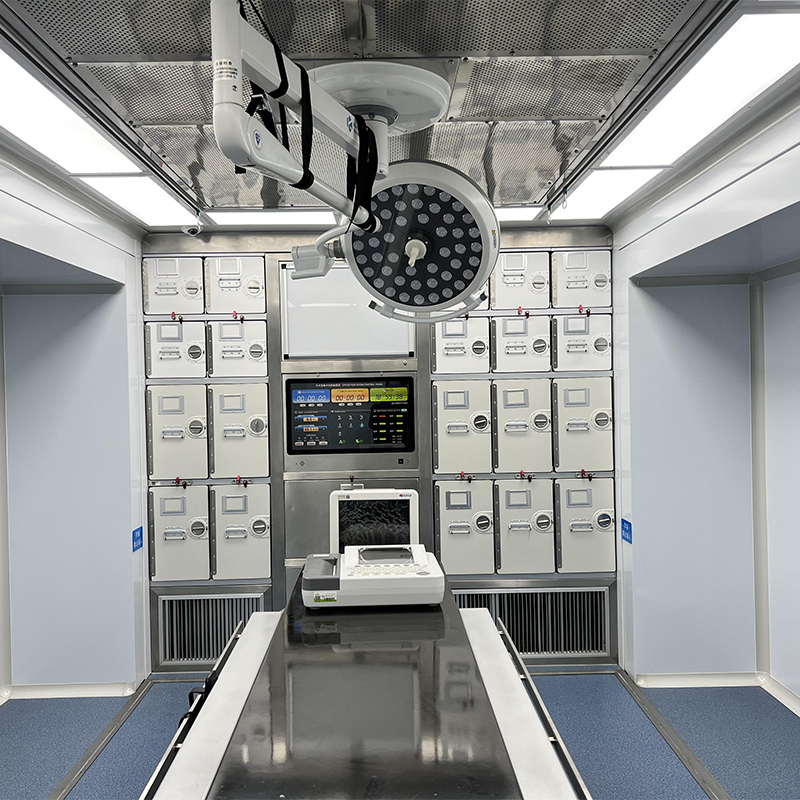
The purpose behind mobile trailers is primarily care delivery to people who live in areas where no cure is available. The mobile trailers are stocked with everything a physician needs to treat patients, from exam tables and sanitary supplies to tools for basic health assessments. He also emphasized on using mobile trailers for healthcare at the event. They are vital in places where more ordinary hospitals have been damaged such as following a natural disaster, or when there is an instant need for temporary medical facilities.
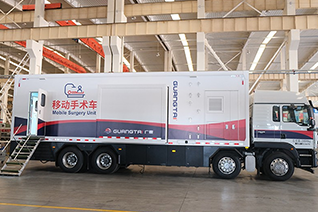
The people who live in distant areas, these mobile clinics also do a fantastic work for them. In addition, many in those areas are not near a doctor or hospital. This is where mobile clinics can make a huge difference. They can conduct regular medical check-ups, provide immunizations and offer other preventive healthcare to help keep people healthy. Mobile clinics also contribute to the educative dissemination of health literacy and healthy lifestyle habits that are fundamental for our life experience.
Weihai Guangtai is at the leading edge of technological advancement in mobile medical devices Our mobile healthcare trailers to RD makes sure that our equipment is equipped with the most recent technology allowing for unparalleled effectiveness and efficiency We strive to keep abreast of market trends and provide solutions that meet the evolving demands of our customers Our commitment to technological innovation allows us to offer machines that are not just highly effective but also environmentally healthy helping to promote sustainable growth in the field
Our commitment to customer satisfaction extends beyond the purchase of our merchandise. We provide support for our customers after the sale, including mobile healthcare trailers and technical assistance. Our customer service team is ready to provide quick support. Our experts are always on hand to help in the installation, maintenance and troubleshooting.
Weihai Guangtai Medical Co., Ltd. is a 100%-owned subsidiary. It is involved in three markets which include emergency medical aid, pre-hospital emergency treatment, and high altitude adaptation. It has developed numerous product lines that include an mobile healthcare trailers of mobile medical units such as emergency rescue medical equipment and medical information systems and oxygen production equipment. It has developed an equipment system that is multi-level which includes soldiers, singles and box groups.
Medical vehicles can provide convenient mobile healthcare trailers and emergency assistance on-site in remote areas. They are essential tools for responding to health emergencies and provide rapid medical rescue. They can also provide medical aid in large-scale events.

 EN
EN